

TW Meaning in Text, Have you ever noticed “TW” before a social media post and wondered what those two letters mean? You’re not the only one. This acronym appears frequently across online conversations, posts, and digital communities. Learning the TW meaning in text can make online communication easier while also helping you understand why people add warnings before sensitive material.
In most cases, TW means Trigger Warning. It alerts readers that the following content may be emotionally upsetting or difficult to view. This guide explains the meaning, common uses, platform differences, and proper ways to use TW in everyday digital communication.
What Does TW Mean in Text?
TW usually stands for “Trigger Warning.” It is placed before potentially distressing or sensitive material to give readers advance notice. For example, someone might write, “TW: discussion of grief” before sharing a difficult personal experience. This gives the reader an opportunity to prepare themselves or decide whether they want to continue.
TW Meaning in Text, The TW abbreviation meaning became associated with online communities and discussions surrounding mental health. Over time, its use expanded across social media and messaging platforms. You may now see TW on Instagram, TikTok, Twitter, Reddit, and in private messages.
For example, a person discussing a serious medical experience may add TW before the description. Similarly, someone writing about eating disorders or loss may provide a warning before continuing.
Why People Use TW in Texts and Online
People use TW to give others a little advance notice before discussing subjects that may cause emotional discomfort. Different individuals respond differently to difficult topics, especially when they have experienced trauma or other challenging situations.
The growth of mental health awareness online has also made people more conscious of how sensitive material affects others. A warning gives readers greater control over what they choose to read or view.
In this way, TW supports more considerate online communication. Instead of unexpectedly presenting disturbing descriptions or imagery, users can provide context first and allow others to decide whether they want to continue.
How to Identify TW in Different Platforms
The way people use TW can vary from one platform to another. On Instagram, the TW meaning often appears at the beginning of captions or as text placed over a Story or post. Some creators also include warnings in comments.
On TikTok, warnings may appear in video captions, on-screen text, or spoken introductions. Because videos can begin immediately, creators may place the warning where viewers can notice it quickly.
On Twitter, users may write TW at the beginning of a post or use hashtags such as #TW or #TriggerWarning. Reddit communities may use post titles, flair, brackets, or other warning systems based on the rules of the subreddit.
Platform comparison:
| Platform | Common Format | Placement |
|---|---|---|
| Caption text | Beginning of post | |
| TikTok | On-screen text | Video overlay |
| Hashtag | Tweet start | |
| Flair/brackets | Title/first line | |
| SMS | Plain text | Before content |
TW vs NSFW vs CW: Understanding the Differences
People sometimes treat TW, NSFW, and CW as interchangeable, but they can serve different purposes. Understanding these internet slang meanings helps you choose the appropriate warning.
TW is generally focused on potentially traumatic subjects. Topics such as violence, abuse, self-harm, grief, and sexual assault may receive a trigger warning when the creator believes the material could be distressing.
NSFW stands for “Not Safe For Work.” It usually warns people that content may be inappropriate to view in a workplace or public setting. Sexual material and graphic imagery are common examples.
CW means “Content Warning.” It has a broader purpose and can alert readers to material they may find uncomfortable without specifically referring to trauma. Spoilers, controversial subjects, or other sensitive topics may receive a CW.
TW Meaning in Text, The appropriate choice depends on the material and audience. TW is more specific to potentially triggering subjects, NSFW focuses on workplace suitability, and CW provides a broader content alert.
Read More: MH Meaning in Text: Quick Guide to Uses & Contexts
How to Use TW Properly in Texts
Using TW effectively means giving readers enough information to understand what type of sensitive material follows. A warning such as “TW: medical discussion” is generally more useful than simply writing “TW.”
Place the warning before the sensitive material rather than adding it after the reader has already encountered the content. This gives people a genuine opportunity to decide whether to continue.
Common topics that may receive a TW include:
- Violence and abuse
- Self-harm and suicide
- Eating disorders
- Sexual assault
- Death and grief
- Substance abuse
- Mental illness episodes
- Blood and medical procedures
For example, you could write, “TW: cancer discussion – my aunt’s diagnosis came back today.” Another example would be, “TW: animal death – our dog passed away last night.”
TW Meaning in Text, Warnings should be used thoughtfully. Using TW as a joke or attaching warnings to every minor topic can reduce their usefulness when genuinely sensitive material is involved.
Common Misunderstandings About TW
One common misunderstanding is that trigger warnings are intended to make people avoid difficult subjects altogether. In practice, the purpose is to give people advance information and allow them to make their own choice about engaging with the content.
Another misconception is that using TW amounts to censorship. A warning does not prevent someone from discussing a subject. It simply gives readers additional information before they encounter it.
It’s also incorrect to assume that the same subjects affect everyone in exactly the same way. People have different experiences and sensitivities, so a topic that feels harmless to one person may be difficult for another.
TW Meaning in Text, Although TW has become common in everyday online language, its purpose remains especially important when discussing genuinely sensitive subjects. The surrounding context should always guide whether a warning is appropriate.
Why TW Matters in Mental Health Awareness
A trigger warning can be especially meaningful when conversations involve traumatic experiences. Unexpected reminders of past events can be difficult for some people, and advance notice can provide an opportunity to mentally prepare or choose not to continue.
TW Meaning in Text, People living with PTSD and those who have experienced abuse, accidents, violence, or other traumatic events may encounter reminders of those experiences online. A warning cannot remove the emotional impact of a topic, but it can provide an additional level of awareness and choice.
The concept also fits with broader trauma-informed communication. Being mindful of potentially distressing material can help create more considerate digital spaces. When people communicate with awareness and empathy, online communities can become more respectful and supportive.
Alternative Phrases to TW in Texts
There are several alternatives to TW, depending on the situation. CW, or “Content Warning,” can be used when the material is sensitive but does not necessarily involve a specific trauma trigger.
“Content note” is another option and can sound less formal or less alarming in certain situations. In casual conversations, people may simply write “heads up” before mentioning something difficult.
Other longer alternatives include phrases such as “contains discussion of” or “may be upsetting for some readers.” These can work particularly well in professional, academic, or formal communication.
Some platforms also provide built-in features that can reduce the need for a written warning. Spoiler tools, content filters, age restrictions, and click-to-reveal features can give users additional control over what they see.
Emojis work too: ⚠️ or 🚨 can draw attention to a warning, although a symbol alone may not explain what type of content follows.
TW in Professional vs Casual Contexts
The use of TW can differ significantly between professional and casual environments. In workplaces, warnings may appear in HR training, company announcements, or communications about difficult subjects. The wording should remain clear and appropriate for the audience.
Academic environments may also use trigger warnings or content notes. University courses, syllabi, research materials, and educational presentations can identify potentially distressing subjects before students encounter them.
In casual texting, TW is usually much more relaxed. Friends may write “TW: venting ahead” before sharing a difficult experience. Family group chats may also use a warning before discussing upsetting news.
TW Meaning in Text, The level of formality should depend on your audience and setting. Personal messages can be informal, while workplace and academic communication generally benefits from clear and professional wording.
How TW Helps Build Online Etiquette
Using TW thoughtfully can contribute to better online etiquette. It encourages people to think about how their words, images, or stories might affect others before posting them.
Online communities can establish their own content-warning guidelines, and moderators may encourage members to follow those standards. When users consistently provide appropriate warnings, newcomers can learn the community’s expectations more easily.
TW Meaning in Text, TW also supports the idea that people should have some choice over the content they encounter. It doesn’t eliminate difficult conversations; instead, it adds context before those conversations begin.
Small acts of consideration can make digital spaces feel more respectful. Clear warnings, empathy, and awareness can all contribute to healthier online communication.
Creative Ways to Integrate TW in Digital Content
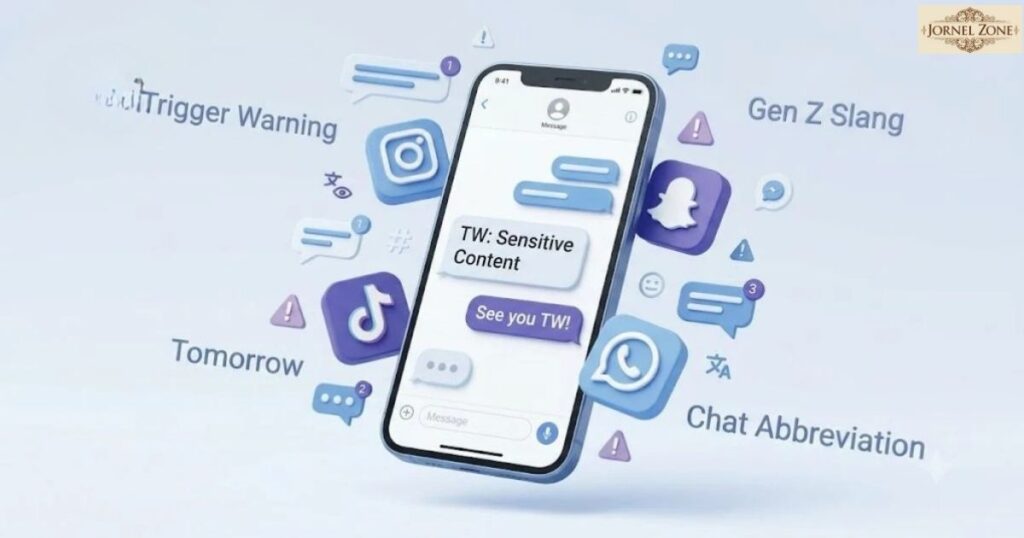
Creators can make content warnings noticeable without making them distracting. A simple warning card, introductory screen, or clear text label can alert audiences before sensitive material appears.
Digital creators can also use features such as click-to-reveal sections, expandable text, spoiler tags, and customizable filters. These tools allow audiences to decide when and whether they want to view particular material.
For storytelling, writers can place a warning before a chapter or section containing difficult subjects without revealing major plot details. Authors can also include content notes to provide additional context.
Podcasters and video creators can use timestamps to identify sensitive portions of their content. Video descriptions, chapter markers, and spoken warnings can provide additional options for viewers.
Using several formats can improve accessibility and make warnings easier for different audiences to notice. The goal is to inform people clearly while allowing them to make their own choices about the content.
Key Points About TW You Should Remember
The meaning of TW has become widely recognized across online platforms. In most digital conversations, TW means “trigger warning” and signals that sensitive or potentially upsetting material is coming next. People from different age groups and backgrounds may recognize the abbreviation, although the way it appears can vary by platform or region.
The main reason people use TW is to show consideration for others. A short warning gives readers an opportunity to decide whether they want to continue reading or viewing the content. Recognizing what does TW stand for in texting becomes easier when you look at the beginning of a post, message, caption, or comment for the abbreviation or a related hashtag.
A quick reminder:
- TW is used to warn about sensitive material.
- Clear and specific warnings are more useful than vague ones.
- Put the warning before the content it describes.
- The situation and audience can affect how formal the warning should be.
- Thoughtfulness and empathy are important when using TW.
FAQ’s About TW Meaning in Text
What does TW mean in text messages?
TW stands for “trigger warning.” It is placed before a message or discussion that may contain sensitive, upsetting, or emotionally difficult material.
When should I use TW in my posts?
You can use TW before content involving topics such as trauma, violence, abuse, death, mental health, or other subjects that could be difficult for some people to encounter unexpectedly.
Is TW the same as NSFW?
No. TW generally warns readers about potentially distressing or triggering subjects, while NSFW means “Not Safe For Work” and usually identifies content that may be inappropriate to view in a workplace, such as explicit or graphic material.
Do I need TW for every sensitive topic?
Not necessarily. Consider the subject, how intense the material is, and who is likely to see it. A warning should be useful rather than added unnecessarily to every mildly uncomfortable topic.
Can TW be used in professional communication?
Yes. TW can appear in professional or educational settings when discussing difficult subjects. It may be used in workplace announcements, HR materials, academic courses, research, or other situations where readers may benefit from advance notice.
Conclusion
Understanding TW meaning in text can make online communication more considerate and easier to navigate. The abbreviation “TW” means “trigger warning” and gives people advance notice when a message, post, or other content discusses potentially distressing subjects.
Whether you’re chatting with friends, creating social media content, or sharing information in a professional setting, using TW thoughtfully can give others more control over what they choose to read or view. A simple warning can show awareness, respect, and consideration for different experiences.